
The Architecture of Celebration
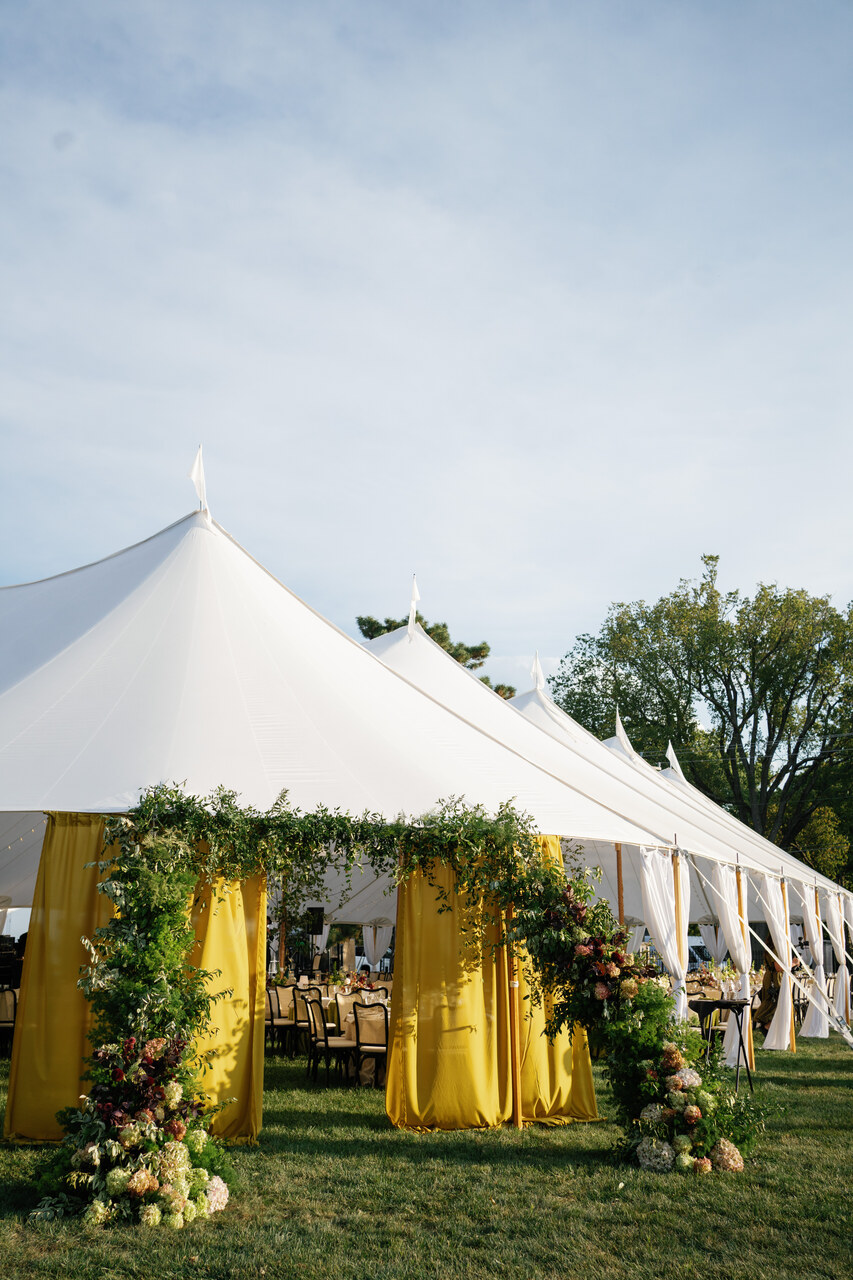
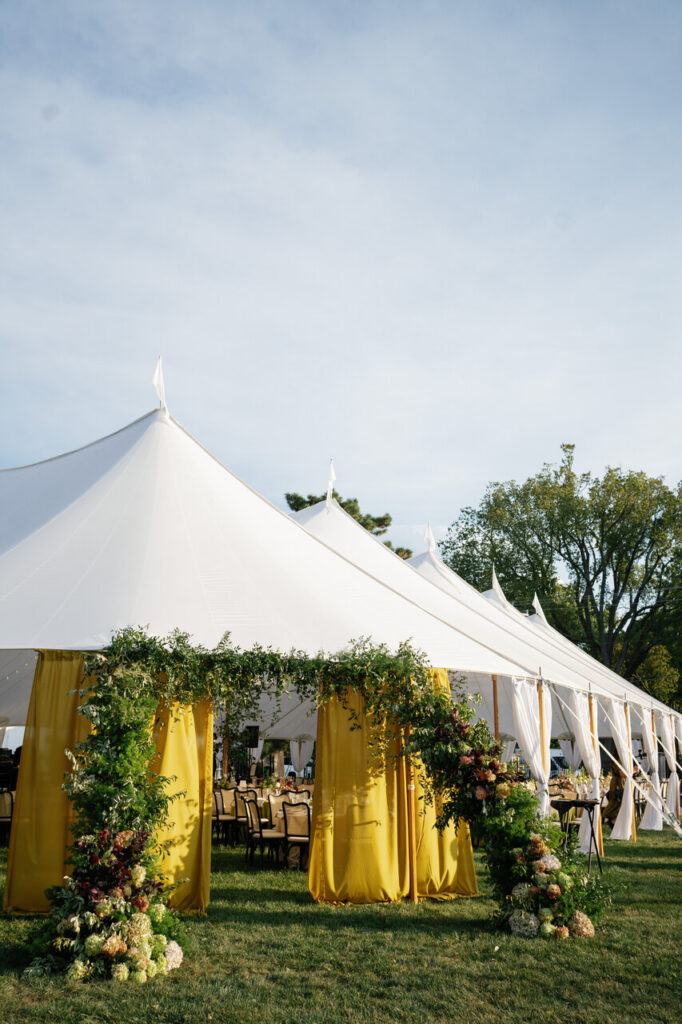
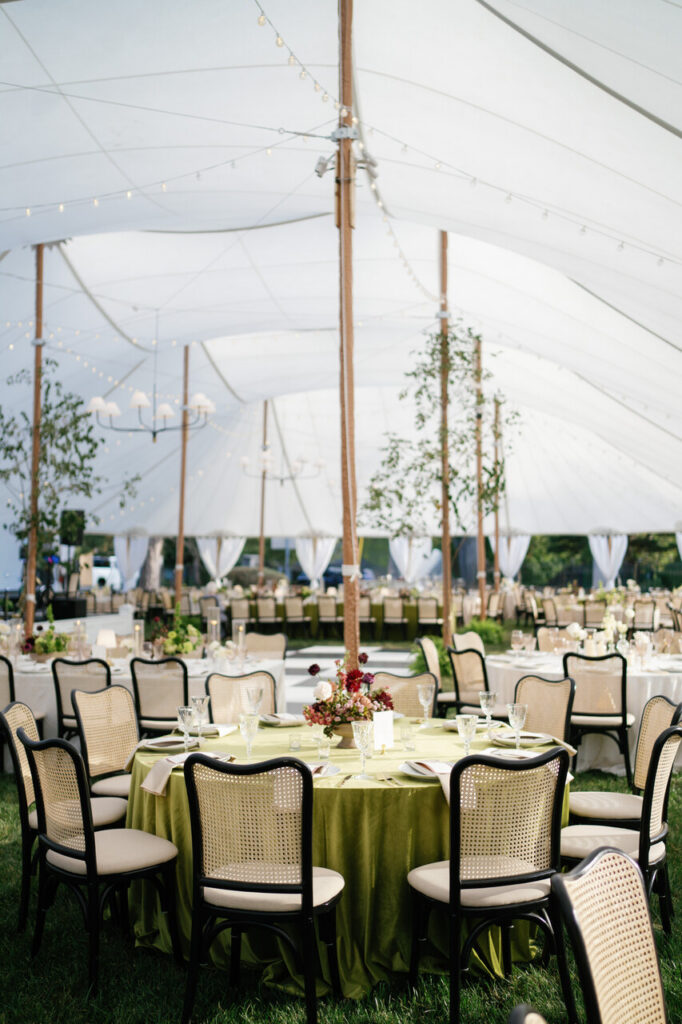
There is something undeniably striking about a tented wedding. A sailcloth structure set against a coastline. A clear-top tent tucked into the grounds of a private estate. A custom build rising, quite literally, from open land.
It feels personal in a way that traditional venues rarely do. Entirely tailored. Entirely considered.
But what makes tented weddings so compelling is also what makes them complex.
Unlike a ballroom or established venue, there is no existing infrastructure. No built-in kitchen, no permanent power source, no defined flow of space. You are not simply selecting a setting. You are creating one from the ground up.
And that shift, from booking to building, is where thoughtful planning becomes essential.
A tented wedding is not just about aesthetic decisions. It is an exercise in design, logistics, engineering, and guest experience, all working in tandem. When done well, the result feels effortless. When overlooked, even small gaps can disrupt the flow of the day.
This is where a master plan comes in. Not just a vision, but a fully developed blueprint that supports every moment of the celebration.
Power & Logistics
The most seamless events are often supported by the most complex systems behind the scenes.
In a traditional venue, power is something you rarely think about. In a tented setting, it becomes one of the first and most important considerations.
Every element of the guest experience relies on it.
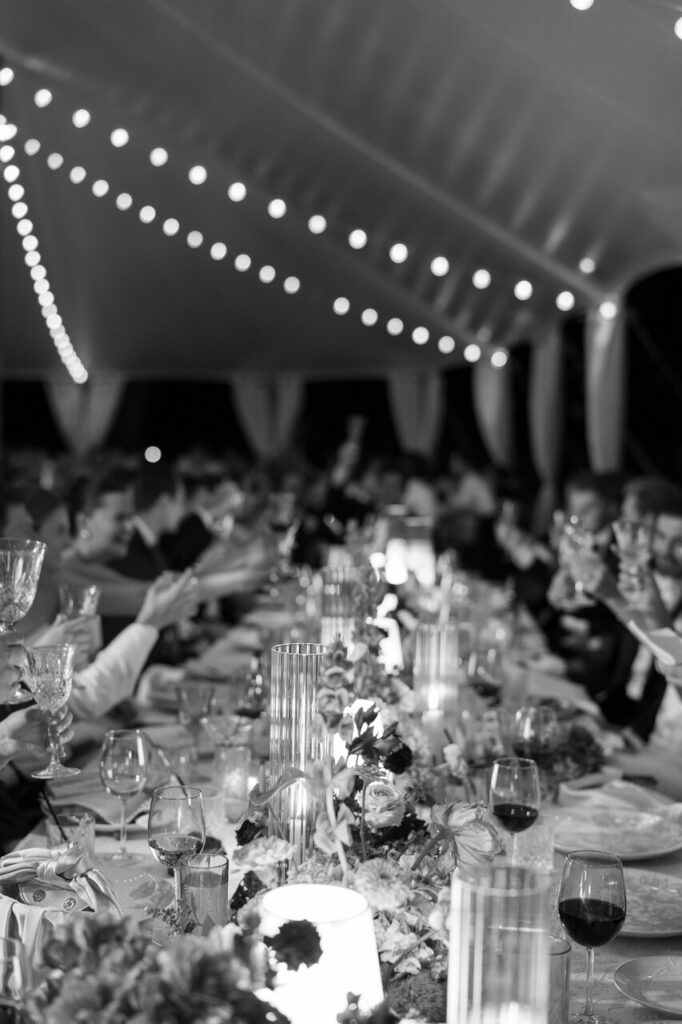
Lighting that shifts the atmosphere from daylight to evening. A sound system that carries to the edge of the tent without distortion. Catering equipment that ensures each course is served at the right temperature. Bars that keep champagne chilled and cocktails flowing without interruption.
All of this requires a carefully calculated power plan.
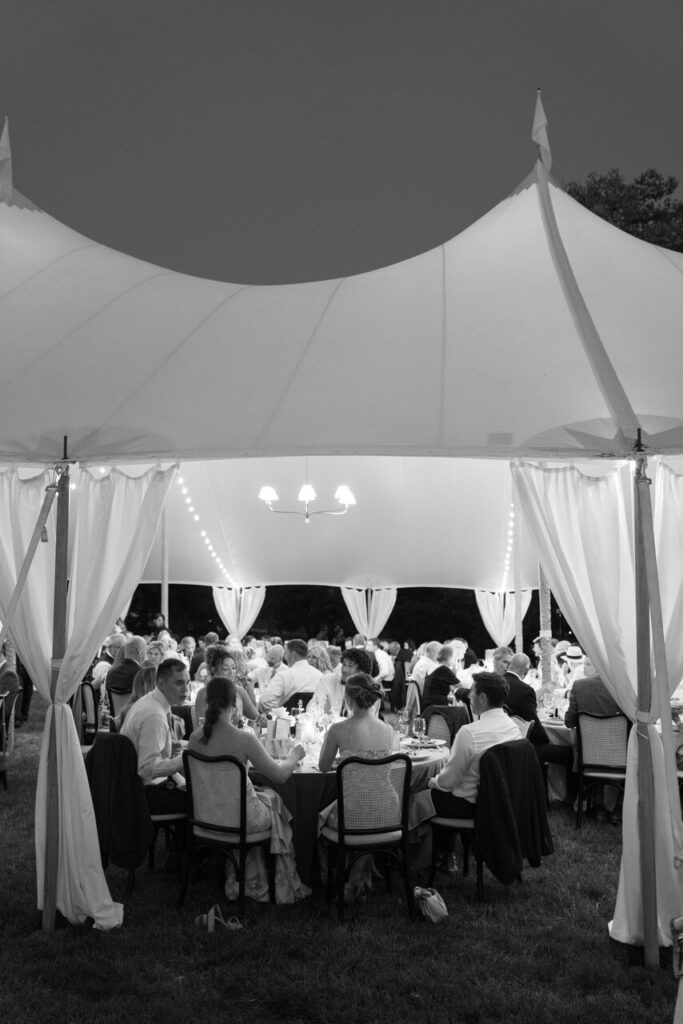
We begin by mapping out every electrical need across the entire property. Not just the visible elements, but the hidden ones as well. Catering equipment, refrigeration, HVAC systems, restrooms, lighting layers, entertainment, and more. Each component contributes to the overall load.
From there, we determine the appropriate generators, how power will be distributed across the property, and what backup systems are needed. This isn’t just about having electricity. It’s about ensuring the right amount of power is delivered consistently and without interruption throughout the evening.
There is a level of precision required to ensure that the music never cuts out mid-song and that the environment remains comfortable from the first guest arrival through the final dance.
When done correctly, no one notices. And that is exactly the point.
The Engineering of the Land
Before any design decisions are finalized, we start with the land itself.
A tent may feel temporary, but the preparation beneath it is anything but.
The grade of the property determines how the structure will sit. Even a slight slope can impact the stability of flooring, the alignment of tables, and the overall comfort of the space. Guests should never feel as though they are navigating an uneven surface. Everything should feel grounded and intentional.
Drainage is equally important. Outdoor environments are inherently unpredictable, and even a light rain can create challenges if the site has not been properly assessed.
We evaluate how water moves across the property, identifying potential low points and areas of concern. From there, we implement solutions such as subflooring, site grading, and strategic tent placement to mitigate any issues before they arise.
Flooring itself becomes part of the structural plan. Whether it is a full build-out with leveled subflooring or a more natural installation, it must support not only the design but also the movement of guests, staff, and equipment throughout the evening.
This is where the event begins to take shape, long before any décor is introduced.
The Back-of-House Team
What guests experience is only one part of the story.
Behind every well-executed tented wedding is a fully developed back-of-house operation designed to support it.
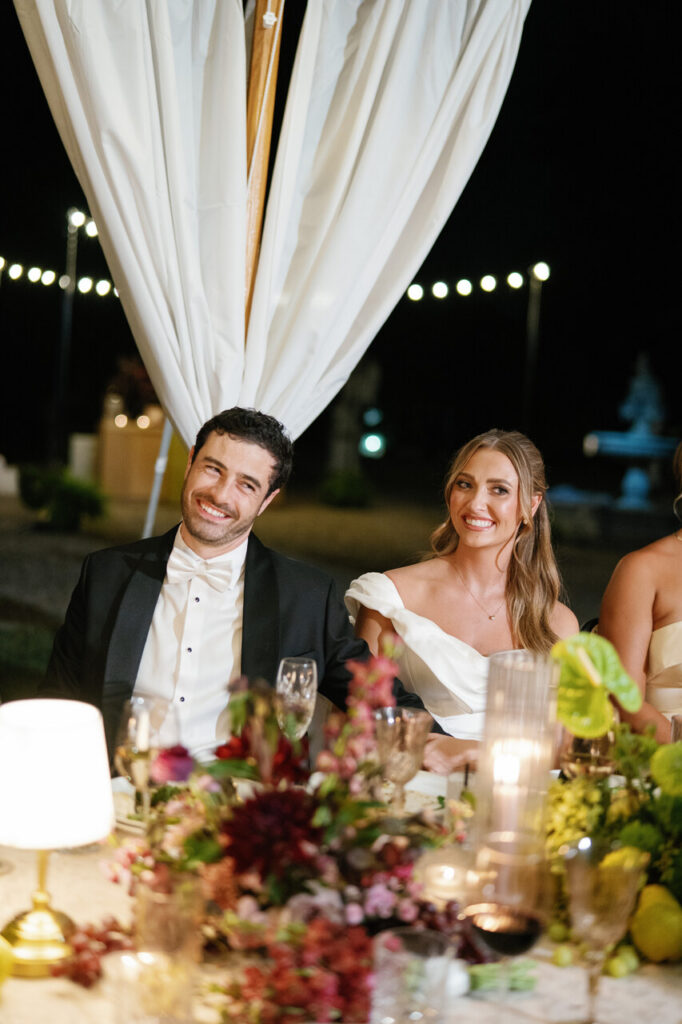
It includes catering tents, prep kitchens, refrigeration units, staff dining areas, storage, waste management, and service pathways. Each component plays a role in ensuring that the event runs smoothly without interrupting the guest experience.
The catering tent, in particular, requires the same level of planning as the main reception space.
Your culinary team needs room to prepare, plate, and serve each course efficiently. They need proper equipment, appropriate lighting, and a layout that allows for seamless flow between stations. Timing is everything in a multi-course dinner, and the environment must support that level of precision.
Service pathways are equally important. Staff should be able to move between the kitchen and the main tent without crossing through guest areas or creating congestion. This requires thoughtful mapping of the entire site, including entry points, tent connections, and transitions between spaces.
When this “village” is designed well, it remains completely invisible to guests. Service feels intuitive, courses arrive at the perfect moment, and the evening unfolds without interruption.
Climate & Contingency
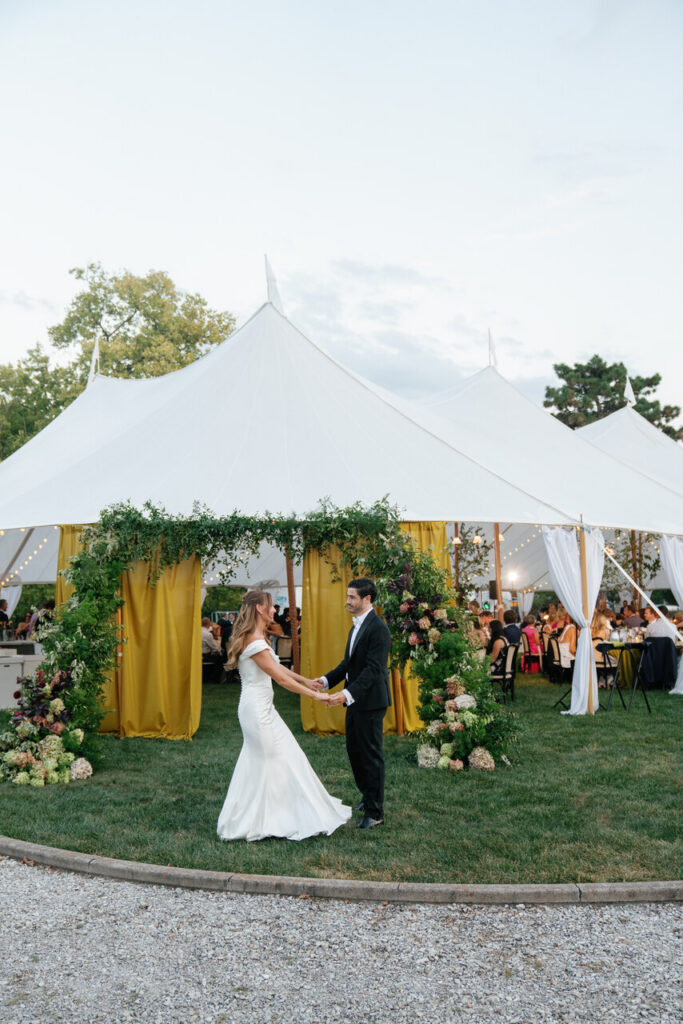
One of the most appealing aspects of a tented wedding is its connection to the natural environment.
At the same time, that connection introduces variables that must be carefully managed.
Temperature, wind, and weather all play a role in how the space functions and how guests experience it.
Climate control is not optional at this level of service. It is an integral part of the design.
We incorporate heating or cooling systems that maintain a consistent, comfortable environment without detracting from the aesthetic. These systems are selected not only for performance but also for their ability to operate quietly and discreetly.
Wind is another consideration, particularly for certain tent styles and open-air configurations. We work within established wind-load ratings to ensure the structure is both safe and stable, even in less-than-ideal conditions.
And then there is contingency planning.
Every tented wedding requires a Plan B. Not as an afterthought, but as a fully developed alternative that can be implemented seamlessly if needed.
This may include adjusted layouts, additional coverage areas, or modifications to the timeline. The goal is not to react to challenges in the moment, but to anticipate them well in advance.
When contingency plans are in place, decisions can be made quickly and confidently, without disrupting the overall experience.
Guests remain comfortable. The atmosphere remains consistent. And the celebration continues exactly as it should.


The Role of Design
With so much focus on logistics, it is easy to assume that design comes later.
In reality, design and logistics evolve together.
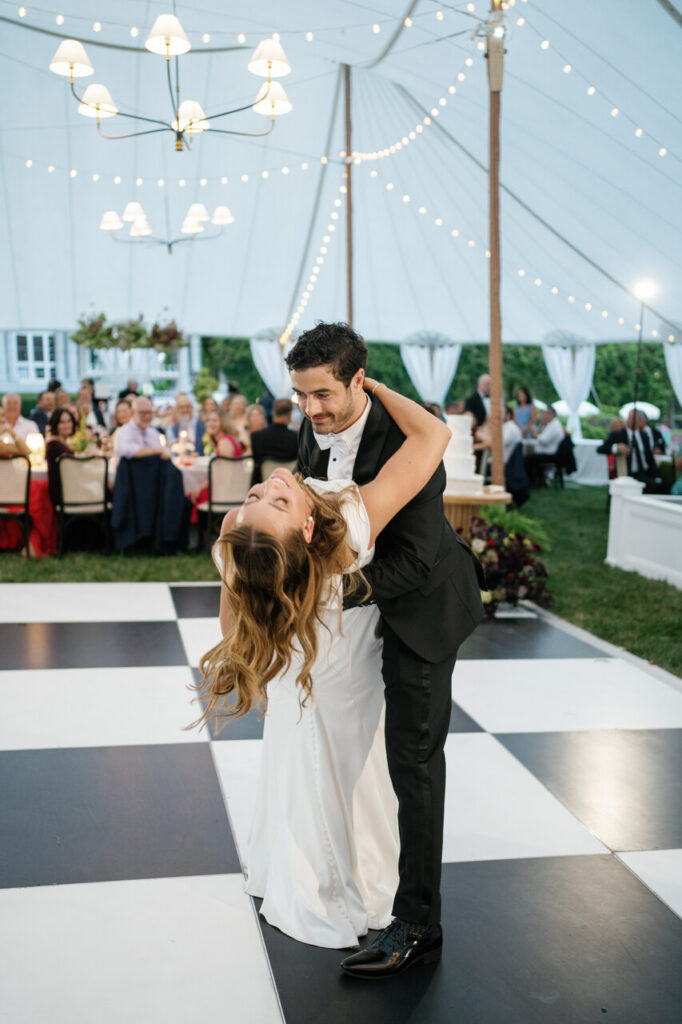
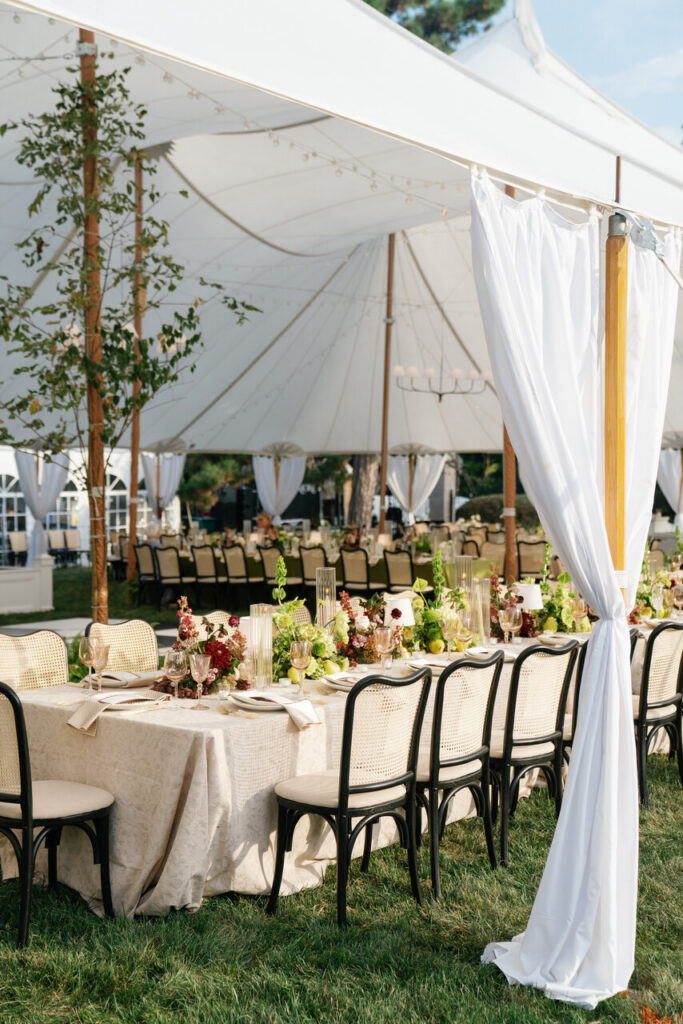
Every aesthetic decision has a practical implication. The placement of a dance floor affects power distribution and lighting design. The choice of tent style influences HVAC needs and structural considerations. Floral installations may require rigging points or additional support.
This is why a cohesive plan is essential.
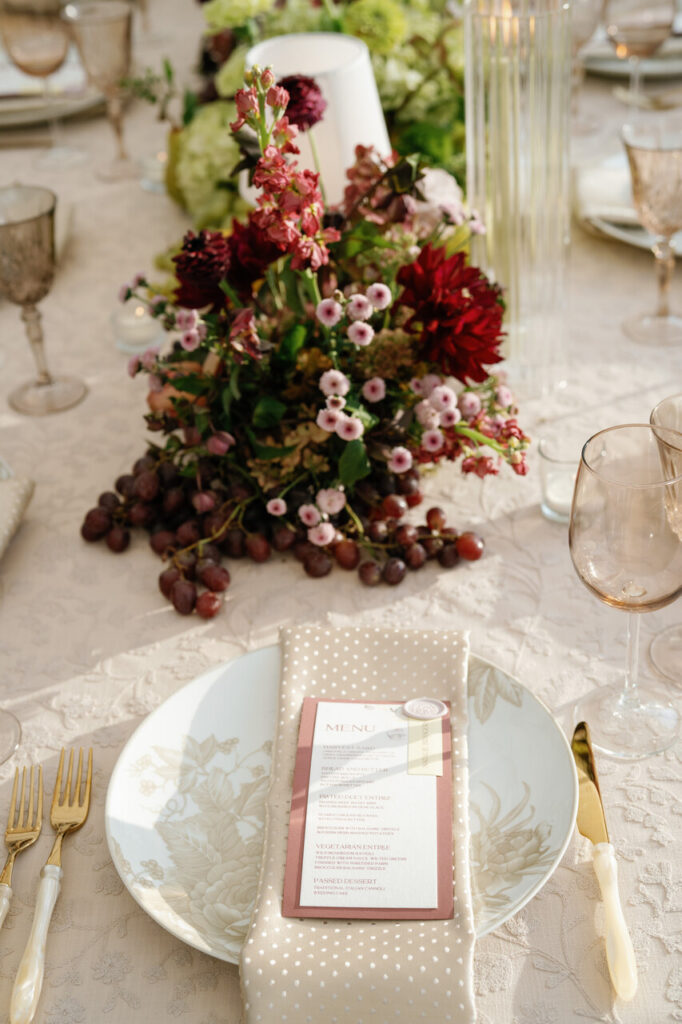
We approach tented weddings as a complete environment, where each element supports the next. The goal is not simply to create something beautiful, but to ensure that beauty is fully functional.
When design is integrated into the planning process from the beginning, the result feels intentional rather than layered on.

A True Blank Canvas
The phrase “blank canvas” is often used to describe tented weddings, and it is accurate.
But a blank canvas is not inherently simple. It requires vision, structure, and a clear understanding of how each element will come together.
From the initial site assessment to the final walkthrough, every decision builds upon the last.
Power supports lighting. Lighting enhances design. Design shapes guest flow. Guest flow informs service. Service defines the overall experience.
It is all connected.
And when that connection is thoughtfully managed, the result is something that feels effortless.
Bringing It All Together
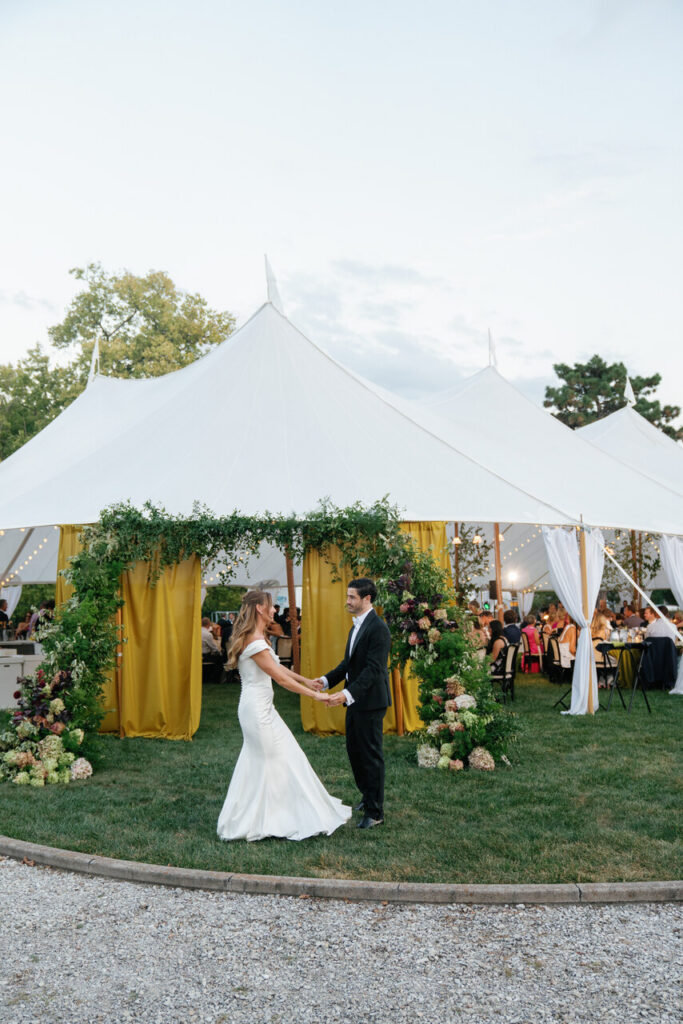
A tented wedding offers a level of flexibility and personalization that is difficult to achieve elsewhere. It allows you to create an environment that is entirely your own, shaped by the landscape, the design, and the experience you want to offer your guests.
But that level of customization requires a different approach.
It is why tented weddings require a master plan.
One that considers not only what the celebration will look like, but how it will function at every level.
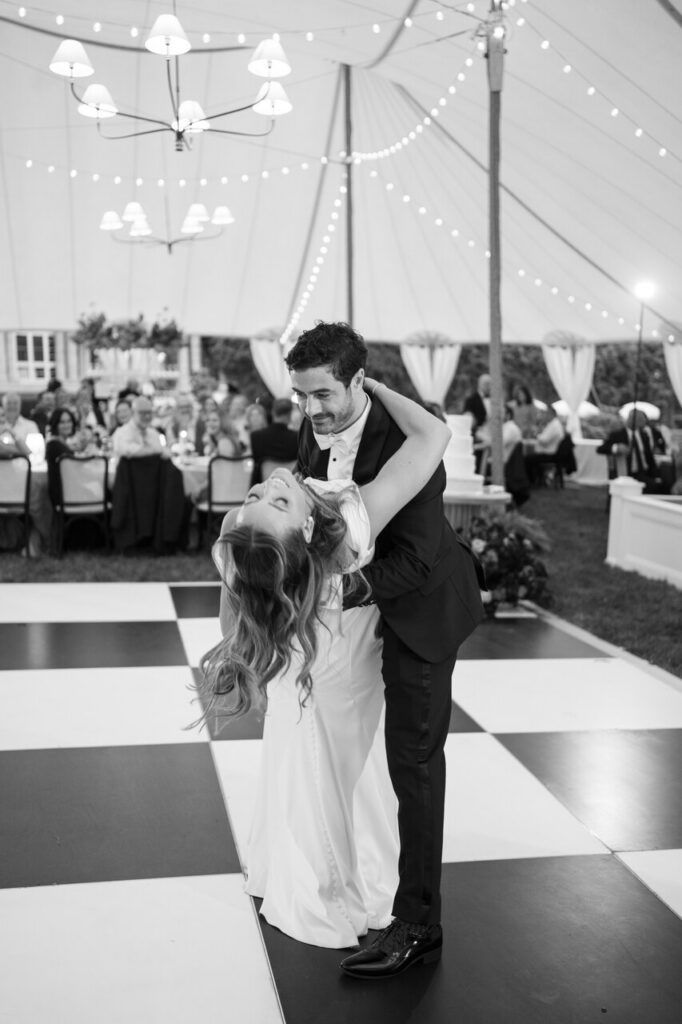
Because behind every beautiful tented wedding is a carefully orchestrated system working quietly in the background, ensuring that each moment unfolds exactly as it should.

Thinking Ahead
If you are considering a private estate or tented celebration for 2027, now is the time to begin the conversation.
These events require thoughtful planning, experienced partners, and a clear vision from the very beginning.
We would be honored to guide you through that process and help bring your blueprint to life. Contact us here!
Vendors:
Planning: Natalie Rice Events + Design
Venue: Laurel Court
Photography: Everence Photography
Videography: Panda Wedding Films
Florals: Bountifluer Floral Studio
Content: Lovers Lane Content
Strings: Elegant Violin
Band: Jack Garret Band
Beauty: Andrea Perchinske & Flawless Hair and Makeup Artistry
Catering: DelightMore Events
Cake: Tres Belle Cakes
Rentals & Decor: Advantage EventsPR RentalsLost and Found Rentals
Serendipity Events: BBJ La TavolaFitz The Occasion
Stationary: J Char Designs
Dress: Lace Bridal Couture
Transportation: Jimmy’s Limo